
Amy Steagall
Chief Information Security Officer, Stanford University IT
Amy Steagall is the Chief Information Security Officer at Stanford University overseeing Stanford’s efforts to protect its computing and information assets and to comply with information-related laws, regulations, and policies.
Prior to joining the Stanford team in 2020, Amy retired from the United States Air Force after 25 years of distinguished and honorable service. Throughout her career, she led large organizations and teams, culminating in her role at the Joint Force Headquarters-Cyber at NSA Texas. There she steered cyber mission teams operating in complex security environments and specializing in offensive and defensive cyberspace operations.
Amy holds a Master of Science in Cybersecurity Law from the University of Maryland Francis King Carey School of Law and a Bachelor of Science in Cybersecurity Management and Policy from the University of Maryland.
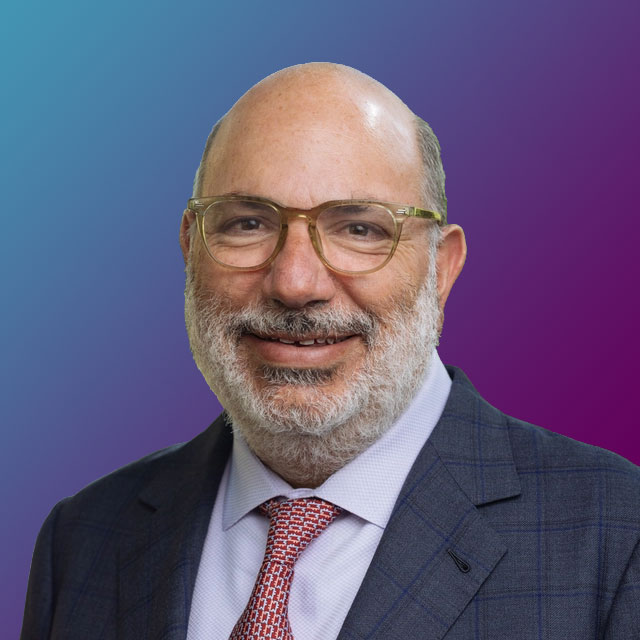
James Landay
Denning Director, Stanford HAI | Anand Rajaraman and Venky Harinarayan Professor of Computer Science, Stanford University
James Landay is a Professor of Computer Science and the Anand Rajaraman and Venky Harinarayan Professor in the School of Engineering at Stanford University. He specializes in human-computer interaction. Landay is the co-founder and Denning Director of the Stanford Institute for Human-Centered Artificial Intelligence (HAI). Prior to joining Stanford, Landay was a Professor of Information Science at Cornell Tech in New York City for one year and a Professor of Computer Science & Engineering at the University of Washington for 10 years. From 2003-2006, he also served as the Director of Intel Labs Seattle, a leading research lab that explored various aspects of ubiquitous computing. Landay was also the chief scientist and co-founder of NetRaker, which was acquired by KeyNote Systems in 2004. Before that he was an Associate Professor of Computer Science at UC Berkeley. Landay received his BS in EECS from UC Berkeley in 1990, and MS and PhD in Computer Science from Carnegie Mellon University in 1993 and 1996, respectively. His PhD dissertation was the first to demonstrate the use of sketching in user interface design tools. He is a member of the ACM SIGCHI Academy and an ACM Fellow. He is an ACM SIGCHI Lifetime Research Award winner. He served for six years on the NSF CISE Advisory Committee.
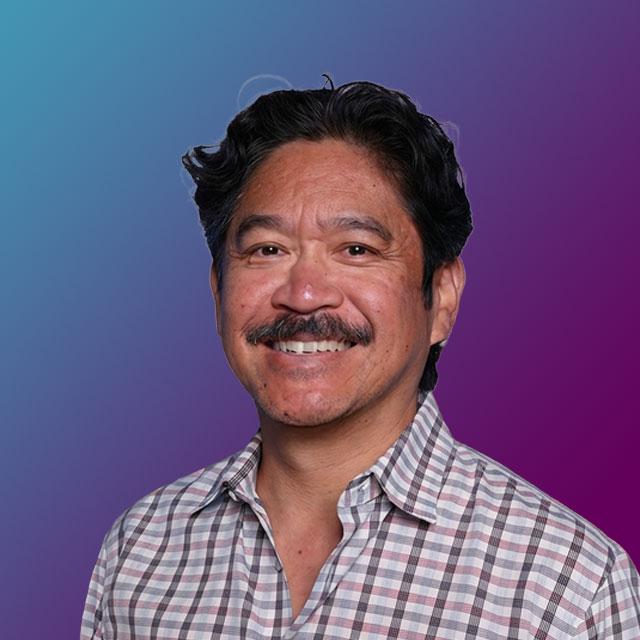
Mark Buensalido
Cloud Security for SLED, Wiz
Mark Buensalido is a Senior Solution Engineer at Wiz and a 20+ year veteran of enterprise software, cloud infrastructure, and cybersecurity architecture. A UC Berkeley Integrative Biology grad turned technologist, Mark has spent his career helping the world's largest organizations and public-sector agencies navigate massive technological shifts—from early web application servers at IBM business partners to open-source containerization at Red Hat, multi-cloud infrastructure at HashiCorp, and cloud-native security at Wiz. Known for his pragmatic, no-fluff approach to technical problem-solving and a lifelong passion for continuous learning, Mark lives in Long Beach, California, with his wife and teenager where he balances cloud security with smart-home automation, coastal cooking, enjoying anything Italian, and serving at the pleasure of his two cats.
Thursday, December 10, 2026, 1:45 – 2:20 p.m.
Wiz Cloud Security Workshop (LK203/204)
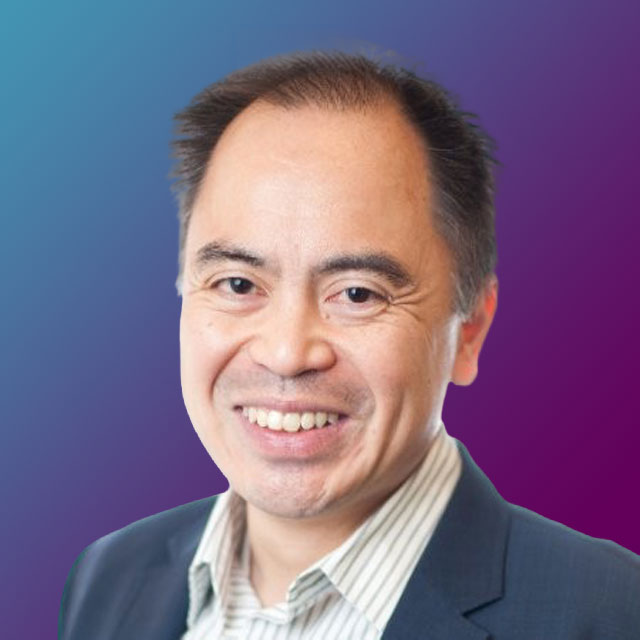
Glenn Fajardo
Lecturer, Stanford d.school
Glenn Fajardo connects to create. He is focused on the question of how we can be creative together when we are far apart and in different cultural contexts. At the d.school he co-leads the immersive course Design Across Borders, bringing students across the world together to explore design thinking, remote collaboration, and cross-cultural interplay.
Glenn was formerly the Director of the Co-Design Practice of the TechSoup Global Network at TechSoup, a nonprofit social enterprise founded on the belief that technology can be a powerful enabler for greater social change. He has collaborated with NGO partners around the world in places such as Nairobi, Buenos Aires, and Kuala Lumpur to try new social impact ideas more quickly.
Formally trained in nuclear engineering sciences and public policy, Glenn also plays electric bass and likes to cook in other people’s kitchens.

Alex Keller
Senior Systems Security Engineer, Stanford School of Engineering
Alex Keller is a Sr. Systems Security Engineer in the Stanford School of Engineering with responsibilities in datacenter operations, research support, and cybersecurity. Advisor to the Stanford Applied Cyber student group since inception in 2015, Alex built and maintains the student lab and is tirelessly passionate about information security education and outreach.
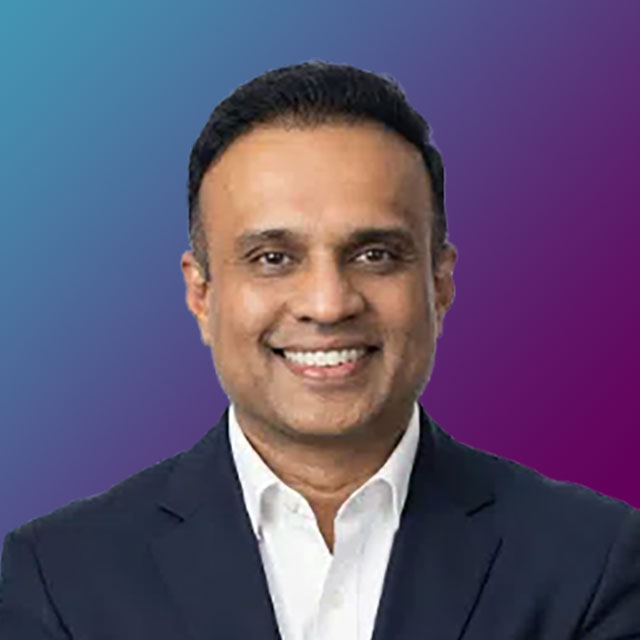
Shashi Kiran
Chief Marketing Officer, Nile
Shashi brings 30+ years of experience in the hi-tech industry having held several C-level roles in public and private technology companies. His focus has been on B2B Infrastructure, security and AI. He is based in San Jose, CA. View Shashi's LinkedIn profile
Thursday, December 10, 2026, 11:15 - 11:50 a.m.

Andrej Krevl
IT Director, Computer Science, Stanford University
Andrej moved to California from a small country on the sunny side of the Alps where he taught Computer Communications, Computer Architecture and Web Development courses at the University of Ljubljana. His journey at Stanford began with managing large memory compute clusters and continued with research focused on smart fridges. He initially joined the Stanford Computer Science IT team as a system administrator and has been leading the team for the past 6 years.
Thursday, December 10, 2026, 11:15 - 11:50 a.m.

Yiying Lu
Artist, Designer, and Creative Leader
Yiying Lu is an award-winning artist, designer, and creative leader working at the intersection of art, technology, culture, and human experience. She is the creator of Twitter’s iconic Fail Whale and has designed and successfully proposed six emojis adopted into the Unicode Standard, including the dumpling 🥟 and boba tea 🧋.
She previously served as Global Creative Director at 500 Global and as a San Francisco Arts Commissioner. She currently leads Happy Creative Land, a San Francisco-based innovation studio, and serves as an Adobe Global Creative Ambassador and a committee member of the UNESCO Chair in Digital Futures at Stanford.
Her creative collaborations have included Disney, Apple, Google, Airbnb, Adobe, and NYU Shanghai, and her work has been featured in The New York Times, BBC, TIME, The Atlantic, WIRED, and The Wall Street Journal. She has been recognized by Fast Company as one of its Most Creative People in Business, by Microsoft as a Top 10 Leader in Innovation, and by the Shorty Awards as its inaugural winner in Design.
Born in Shanghai, educated in Sydney and London, and based in San Francisco, Lu brings a cross-cultural perspective to the ways design and storytelling create connections across cultures, communities, and generations.
Thursday, December 10, 2026, 1:00 – 2:20 p.m.
Designing for Self-Expression: Creativity Connects Us A Human-Centered Analog + AI Creative Workshop (LK120)

Dennen Monks
Field CTO Strategist, Crowdstrike
Dennen is passionate about helping companies achieve streamlined operationalized states across people, process, and technology. He has worked in the Cybersecurity field for 20 years covering technologies across network, data, cloud, and applications. After 10 years in professional services, he spent 5 years at Skyhigh Networks managing Sales Engineering for the West before moving into a Cloud Architect role. More recently, he was the 13th employee and lead Solution Architecture at Bionic, one of CrowdStrike’s most recent acquisitions. He now covers the western half of North America as a Field CTO Strategist.

Thomas Mullaney
Professor of History and Professor of East Asian Languages and Cultures, by Courtesy, Stanford University
Thomas Mullaney is Director of SILICON. He is a Professor of Chinese History at Stanford University, Kluge Chair in Technology and Society at the Library of Congress, and a Guggenheim Fellow. He is the author or lead editor of 8 books, including How We Disappear: A Personal History of Information (Norton, 2026 Forthcoming), The Chinese Computer: A Global History of the Information Age (MIT Press, 2024), Where Research Begins (University of Chicago Press, 2022, with Christopher Rea), The Chinese Typewriter: A History (MIT Press, 2017, winner of the Fairbank Prize), and Coming to Terms with the Nation: Ethnic Classification in Modern China (UC Press, 2010). He earned his BA and MA from the Johns Hopkins University, and his PhD from Columbia University. For the past 15 years, his research, publications, conference planning, and coursework have focused expressly on asymmetries in the global information and language technologies, with a keen focus on writing systems that have been systematically marginalized and excluded from the modern information age.
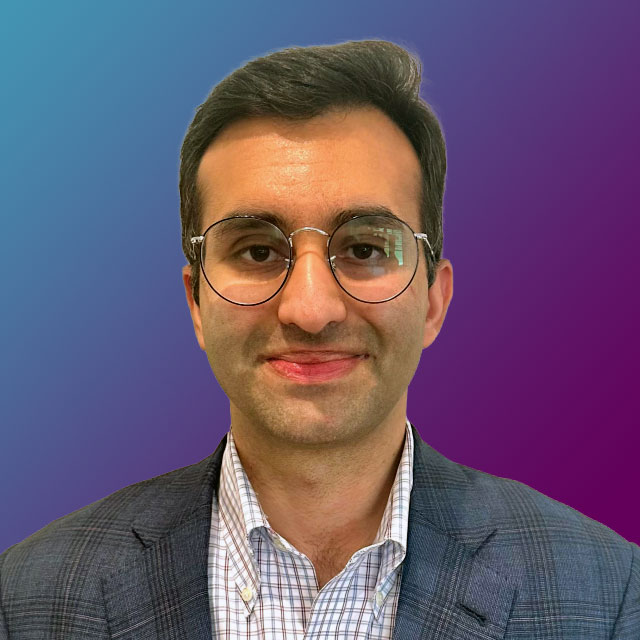
Sohaib Shaikh
Head of AI Security, GTM, Fortinet
Sohaib Shaikh leads AI security go-to-market strategy at Fortinet. He joined Fortinet in 2026 through its acquisition of Virtue AI, where he served as CEO of the company's work on guardrails, red teaming, and real-time protection for AI systems. Today he helps schools, governments and businesses use AI safely and stay ahead of attackers who use it too.
Thursday, December 10, 2026, 2:30 – 3:05 p.m.
Guardrails, Not Gatekeepers: Securing AI Across Campus and Research (LK203/204)
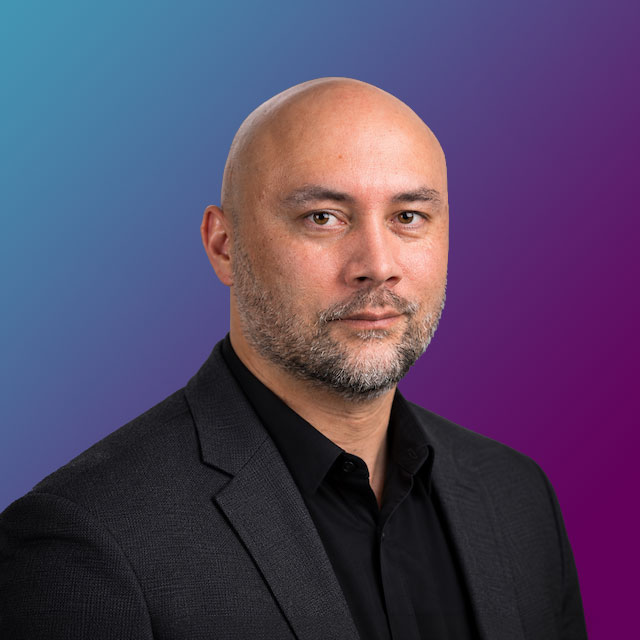
Phil Stark
Technical Account Manager, Wiz
Phil Stark is a Technical Account Manager at Wiz bringing 20+ years of experience in networking, systems engineering, and cybersecurity. Alongside his civilian career across the public and private sectors, Phil served 22 years in the Army National Guard, specializing in IT and cyber operations for the past decade. Based in Colorado Springs with his wife, daughter and cat, he spends his free time watching sci-fi movies, tinkering with 3D printers and enjoying sports cars.
Thursday, December 10, 2026, 1:45 – 2:20 p.m.
Wiz Cloud Security Workshop (LK203/204)
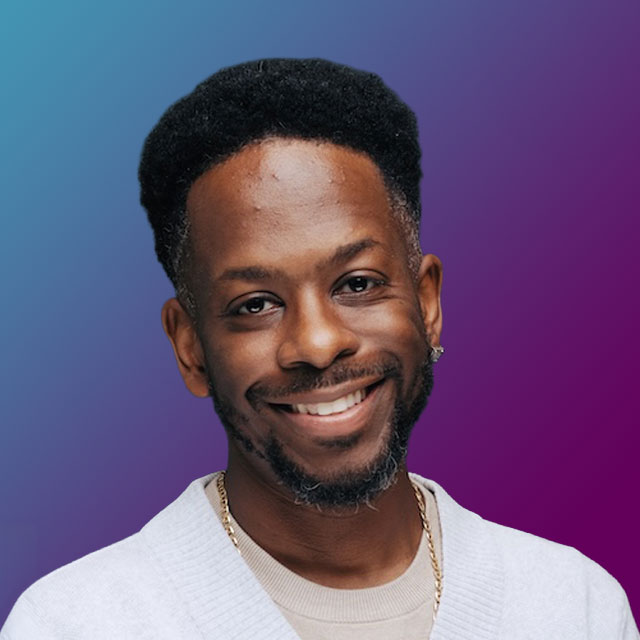
Gregory Wilson
AI Tinkery Manager, Stanford University
Gregory Wilson is an educator and learning experience designer whose work makes emerging technologies approachable, creative, and meaningful. With a background in computer science and a PhD, he began his career in K–12 education, designing and leading innovation programs, makerspaces, and project-based learning experiences for students across grade levels and learning needs.
His expertise spans AI-integrated learning design, curriculum development, human-centered AI education, design thinking, digital fabrication, and creative computing. He develops curricula, workshops, and interactive labs that emphasize responsible technology use, collaboration, and hands-on exploration.
At Stanford’s AI Tinkery, Wilson focuses on creating an inviting environment where educators and learners can experiment with AI, build confidence, and exercise creative agency. His approach centers on thoughtfully designed experiences that encourage curiosity, reflection, and choice, helping people become active creators with AI rather than passive consumers.